
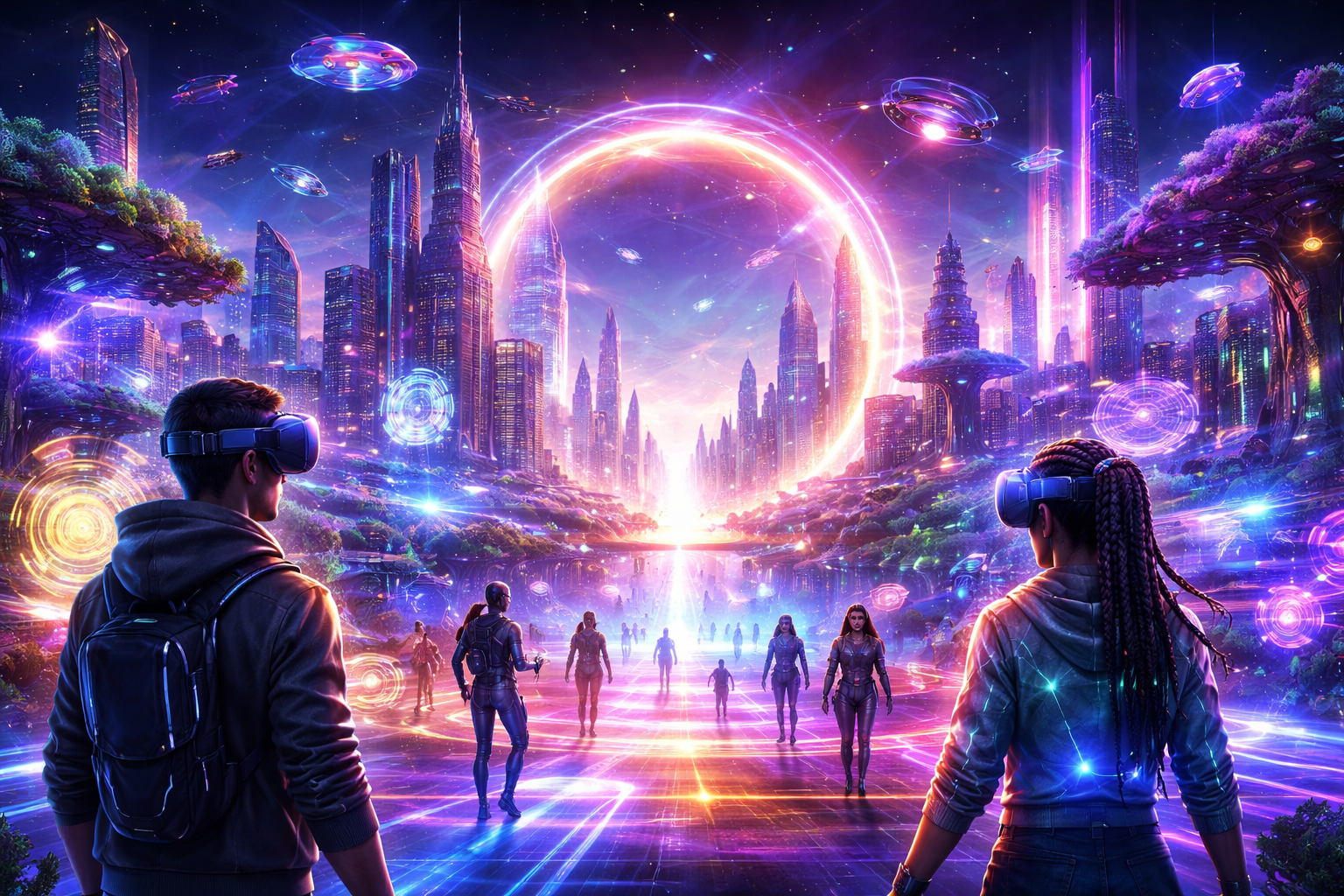
The internet is evolving beyond websites and social media into immersive digital environments known as Metaverse Virtual Worlds. These interconnected virtual spaces allow users to interact, work, play, trade, and socialize in ways that were once only imagined in science fiction. Powered by technologies such as virtual reality (VR), augmented reality (AR), blockchain, and artificial intelligence, https://traficjet.com/the metaverse is shaping a new digital economy.
As global interest grows, understanding how metaverse virtual worlds work—and why they matter—has become essential for creators, businesses, investors, and everyday users.
What Are Metaverse Virtual Worlds?
Metaverse Virtual Worlds are immersive, computer-generated environments where users can create avatars and interact with digital spaces and other participants in real time. Unlike traditional online platforms, these worlds offer a persistent experience that continues to exist even when users log off.
Key characteristics include:
- Persistent digital environments
- Real-time social interaction
- User-generated content
- Digital ownership and economies
- Cross-platform accessibility
These features make metaverse virtual worlds far more dynamic than standard video games or social networks.
How Metaverse Virtual Worlds Work
Metaverse ecosystems combine multiple advanced technologies to deliver immersive experiences.
1. Virtual and Augmented Reality
VR headsets and AR devices allow users to feel physically present inside digital spaces, enhancing realism and engagement.
2. Blockchain Technology
Blockchain enables secure transactions, digital identity, and ownership of assets such as NFTs and virtual land.
3. Artificial Intelligence
AI powers intelligent avatars, personalized environments, and automated systems that adapt to user behavior.
4. Cloud Computing
Scalable cloud infrastructure ensures smooth performance and global accessibility.
Together, these technologies form the foundation of modern metaverse virtual worlds.
Popular Examples of Metaverse Virtual Worlds
Several platforms are already shaping the metaverse landscape:
- Decentraland – A blockchain-based world focused on digital land ownership
- The Sandbox – A creator-driven virtual economy
- Roblox – A social metaverse with massive user-generated content
- Meta Horizon Worlds – Social interaction in VR spaces
Each platform offers unique experiences but shares the common goal of building immersive digital realities.
Learn more:
https://www.coindesk.com/learn/what-is-the-metaverse/
https://ethereum.org/en/nft/
Digital Economy Inside Metaverse Virtual Worlds
One of the most powerful aspects of metaverse virtual worlds is their self-sustaining digital economy. Users can earn, spend, and trade digital assets just like in the real world.
Economic activities include:
- Buying and selling virtual land
- Trading NFTs and digital collectibles
- Offering virtual services
- Hosting events and experiences
- Advertising and brand partnerships
Blockchain ensures transparency and trust in these transactions.
Role of NFTs in Metaverse Virtual Worlds
NFTs play a crucial role by providing proof of ownership for digital assets. In metaverse environments, NFTs can represent:
- Virtual real estate
- Wearable items for avatars
- Art, music, and collectibles
- Access passes and memberships
This system empowers users to truly own and monetize their creations.
External resource:
https://www.binance.com/en/blog/nft/what-are-nfts-and-how-do-they-work-421499824684903487
Social Interaction and Community Building
Metaverse virtual worlds are not just about technology—they are about people. Users can attend concerts, meetings, classes, and social gatherings without physical limitations.
Benefits include:
- Global collaboration
- Real-time communication
- Inclusive digital communities
- New forms of expression
These worlds redefine how humans connect in digital spaces.
Business Opportunities in the Metaverse
Companies are increasingly exploring metaverse virtual worlds for growth and innovation.
Use cases include:
- Virtual offices and remote workspaces
- Product launches and brand experiences
- Training simulations
- Digital marketing campaigns
Major brands are already investing heavily to establish a presence in virtual environments.
Industry insight:
https://www.mckinsey.com/industries/technology-media-and-telecommunications/our-insights/value-creation-in-the-metaverse
Education and Learning in Virtual Worlds
Educational institutions are adopting metaverse platforms to create immersive learning environments.
Advantages:
- Interactive simulations
- Virtual classrooms
- Hands-on training
- Global student access
This approach enhances engagement and understanding beyond traditional methods.
Security and Privacy Challenges
Despite the opportunities, metaverse virtual worlds also face challenges.
Key concerns include:
- Data privacy
- Identity theft
- Digital asset security
- Platform governance
Users must follow best practices such as secure wallets, strong authentication, and trusted platforms.
Legal and Regulatory Considerations
As adoption grows, governments are working to define regulations around virtual assets, digital identities, and online conduct. Legal clarity will play a critical role in the sustainable growth of metaverse ecosystems.
Regulation overview:
https://www.weforum.org/agenda/2023/01/metaverse-regulation-explained/
Future of Metaverse Virtual Worlds
The future of metaverse virtual worlds looks promising, with trends pointing toward:
- Interoperable platforms
- Enhanced realism
- AI-driven environments
- Integration with real-world economies
As technology advances, the metaverse may become as essential as the internet itself.
How to Get Started with Metaverse Virtual Worlds
Beginners can start by:
- Choosing a trusted platform
- Creating a digital wallet
- Exploring free experiences
- Learning asset security basics
- Engaging with communities
Starting small helps reduce risk while building experience.
Conclusion
Metaverse Virtual Worlds represent a major shift in how we interact with digital technology. They combine social connection, economic opportunity, and immersive experiences into a single evolving ecosystem. While challenges remain, the potential benefits for individuals, businesses, and society are enormous.
As the digital and physical worlds continue to merge, understanding metaverse virtual worlds today will help shape success in tomorrow’s digital future.